Set in the heart of southwestern Poland, Wrocław is a city where centuries of history, cultural diversity, and scientific ambition blend into a uniquely inspiring environment. Built on 12 islands and connected by more than 120 bridges, the city’s intricate layout along the Oder River has earned it the nickname “the Venice of the North.” Beyond its waterways and architectural charm, Wrocław offers a vibrant intellectual atmosphere that aligns naturally with the curiosity-driven spirit of modern physics.
With nearly 672,000 residents and a thriving academic community of more than 130,000 students, Wrocław is one of Poland’s most dynamic university hubs. Over twenty higher-education institutions — including the University of Wrocław, Wrocław University of Science and Technology, and the Institute of Low Temperature and Structure Research of the Polish Academy of Sciences — sustain a lively culture of research, dialogue, and innovation. For conference participants, this means a welcoming environment shaped by people who value discovery, collaboration, and new ideas.
A Glimpse into History
Wrocław’s past is a story of resilience, transformation, and multicultural exchange. Founded over a millennium ago, the city developed under Polish, Czech (Bohemian), Austrian, and Prussian influence. Known as Breslau until 1945, it absorbed diverse architectural styles and intellectual traditions, many of which remain visible today in its restored churches, squares, and monuments.
After the devastation of World War II, Wrocław became a symbol of cultural revival and reconstruction. Hosting significant events — such as the 1948 World Congress of Intellectuals for Peace and the title of European Capital of Culture 2016 — the city re-emerged as an important European centre for arts, science, and international exchange.
Today, Wrocław continues to strengthen its scientific and technological profile. Global companies such as Google, Nokia, IBM, Dolby, and a growing number of biotech and semiconductor firms operate R&D centres here, contributing to the city’s reputation as a modern innovation hub.
Max Born and Wrocław’s Scientific Legacy
Wrocław occupies a special place in the history of physics as the birthplace of Max Born (1882–1970) — a founding figure of quantum mechanics, Nobel laureate, and mentor to Werner Heisenberg, Robert Oppenheimer, and many others. Born grew up in Breslau, attended the König-Wilhelm-Gymnasium, and pursued early studies at the University of Wrocław, where his scientific foundations were formed. His legacy underscores the city’s longstanding role as a cradle of scientific thought and makes Wrocław a particularly meaningful setting for a conference dedicated to the fundamental structure of matter.
Unique Attractions of Wrocław
 © Marek Śliwecki (CC BY-SA-4.0)
Rynek — Market Square
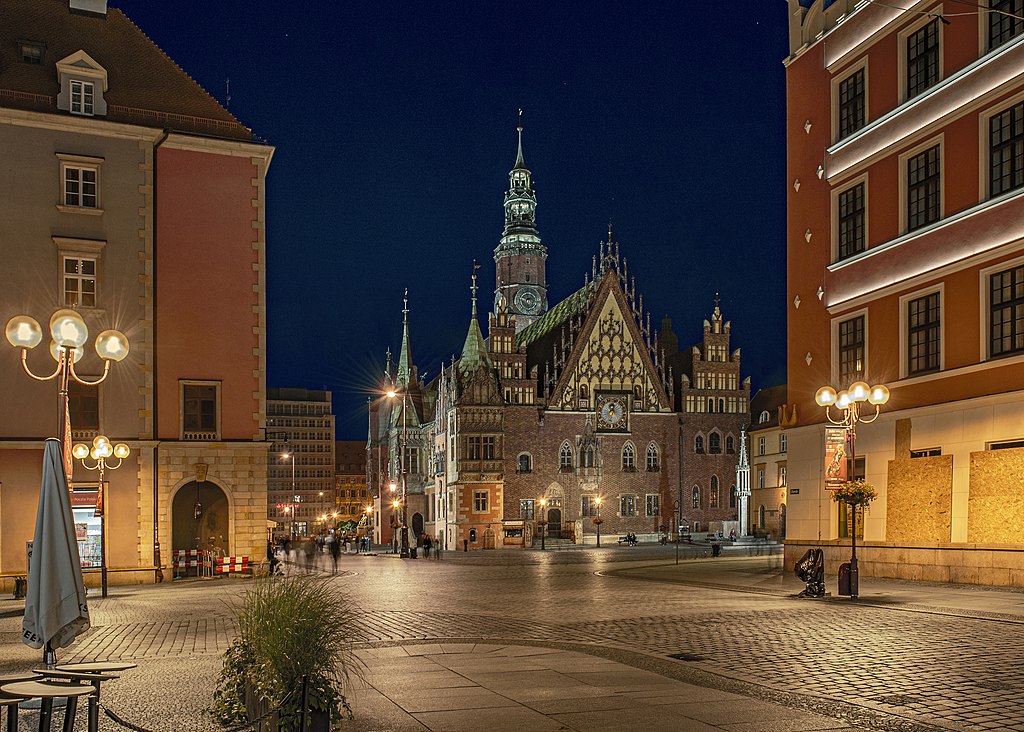
Wrocław’s Market Square, dating back to the 13th century, stands among Europe’s grandest medieval squares. It has witnessed centuries of trade, civic life, and political transformation — surviving fires, invasions, and wartime destruction. The surrounding Gothic and Renaissance townhouses reflect the city’s multicultural past under Polish, Bohemian, Austrian, and Prussian rule. At the square’s heart rises the Gothic Old Town Hall, begun in the 14th century and expanded over 250 years, making it a chronicle of shifting architectural styles. Today, Rynek is a lively and welcoming space packed with restaurants, cafés, seasonal fairs, and nighttime illumination that makes the square glow. It is one of the most atmospheric urban spaces in Central Europe.
 © Aneta Pawska (CC BY-SA-4.0)
Ostrów Tumski — The Ancient heart of Wrocław
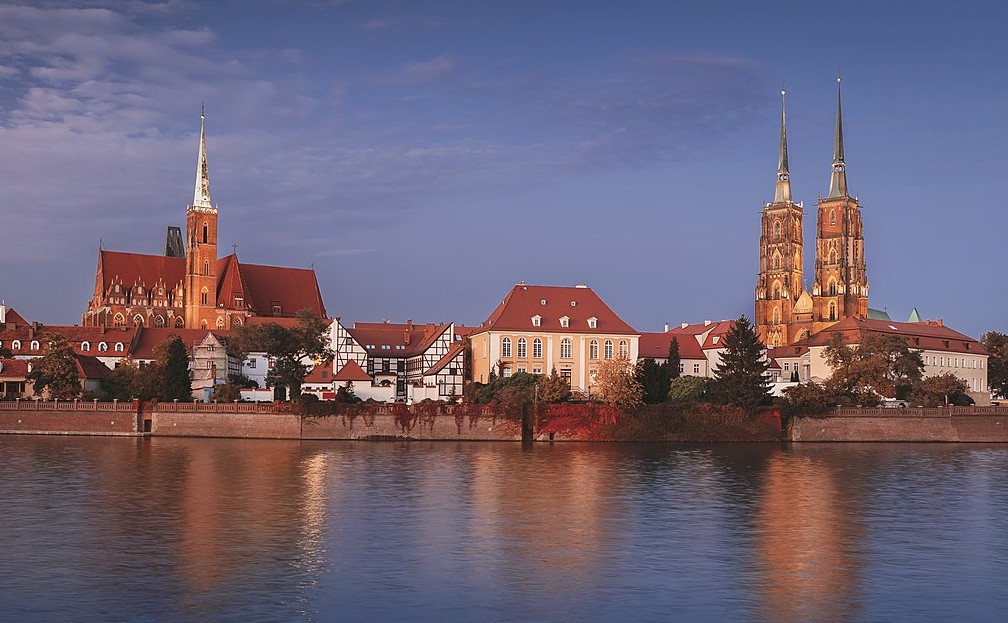
The oldest part of the city, Ostrów Tumski, has been continuously inhabited for over a thousand years. Originally a fortified Piast stronghold in the early Polish state, it later developed into a powerful ecclesiastical center. Its narrow, cobbled lanes and Gothic churches survived World War II bombs thanks to meticulous post-war reconstruction. The Cathedral of St. John the Baptist, with origins in the 10th century and its striking twin towers, stands as a masterpiece of medieval architecture. The island’s peaceful atmosphere contrasts beautifully with the city’s modern rhythm, offering an immersive walk through centuries of history.
 © Bernard Ladenthin (CC BY-4.0)
Lamplighter tradition — A living ritual
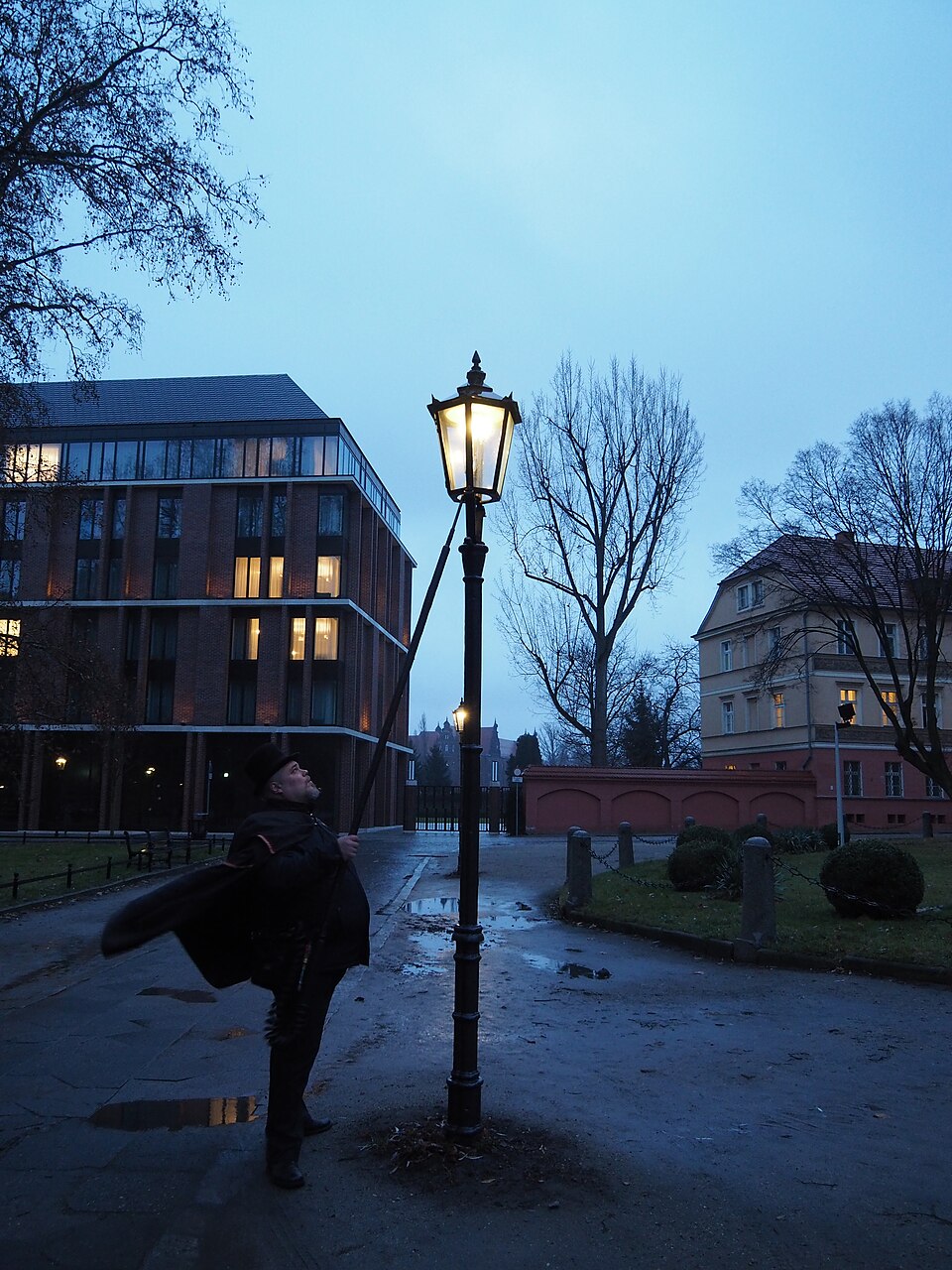
Every evening at dusk, a uniformed lamplighter walks through Ostrów Tumski, manually lighting more than 100 historic gas lamps. This tradition—unique in Europe—revives 19th-century urban life and has been preserved by the city as a symbol of continuity with its past. Watching the lamplighter move from lamp to lamp with a long pole is one of Wrocław’s most enchanting sights. At dawn, he returns to extinguish them, maintaining a daily ritual that connects the modern city to its historical roots.
 © Jarosław Ciuruś (CC BY-SA-3.0)
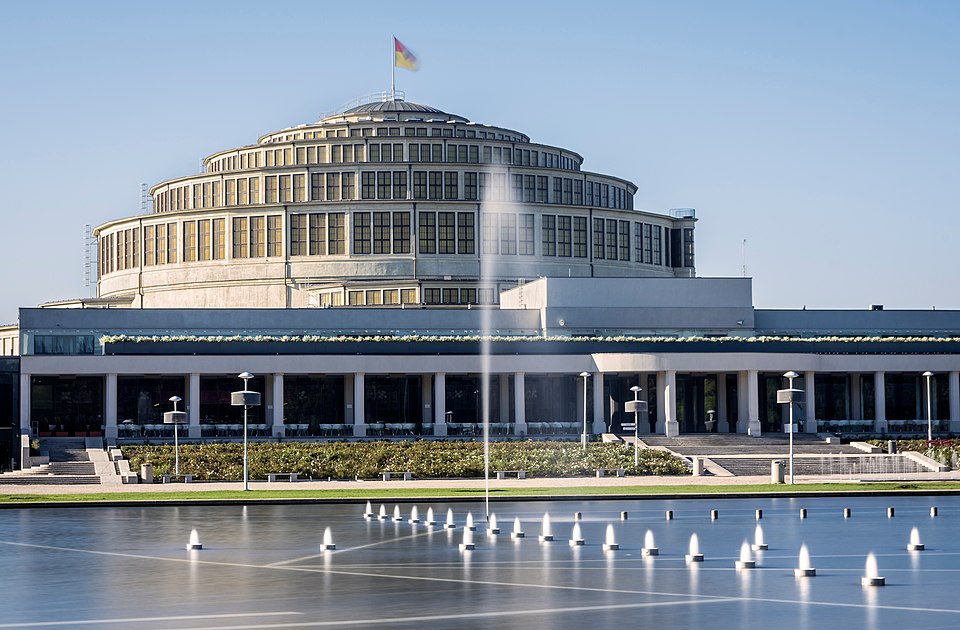
Centennial Hall
A UNESCO World Heritage Site, the Centennial Hall is considered one of the most visionary architectural achievements of the early 20th century. Designed by Max Berg and completed in 1913, it broke engineering boundaries with its use of large-span reinforced concrete — an innovation decades ahead of its time. Built to commemorate the 100th anniversary of Napoleon’s defeat at Leipzig, the hall became a symbol of Wrocław’s modernisation during the late German Empire. Today, it continues to serve as a venue for conferences, concerts, exhibitions, and scientific gatherings, seamlessly blending historical ingenuity with contemporary function. Its enormous 65-meter-high dome remains one of the most recognisable structures in the city.
 © Piotr Walczak & Konradr (CC BY-SA-3.0)
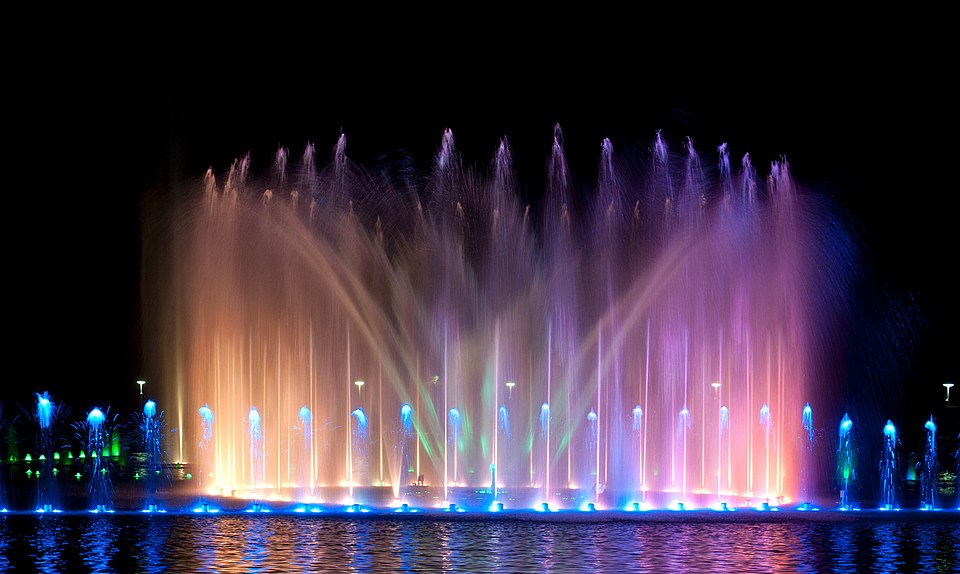
Centennial Hall area & Multimedia fountain
The surroundings of Centennial Hall are equally impressive as the Hall itself. The historic Pergola frames a vast artificial lake, home to one of Europe’s largest multimedia fountains. From spring to late autumn, evening shows combine choreography of water jets, lights, music, and projections, attracting thousands of spectators. The area offers scenic walkways, tranquil ponds, and shaded garden paths—one of the best spots for a relaxed evening outing.
 © Jarosław Ciuruś (CC BY-SA-3.0)
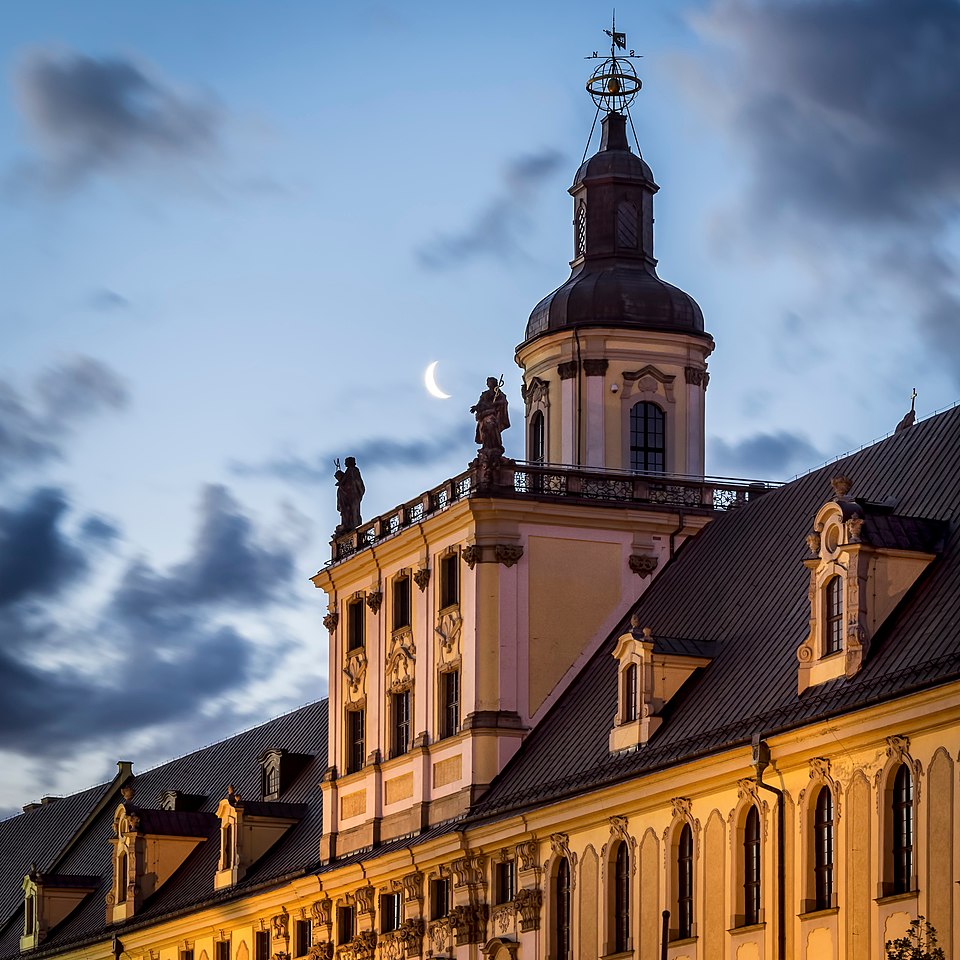
University of Wrocław – Mathematical tower & Leopoldina Hall
Founded in 1702 by the Holy Roman Emperor Leopold I, the University of Wrocław has educated nine Nobel Prize laureates, including Max Born, Paul Ehrlich, and Fritz Haber. Max Born, one of the forefathers of quantum mechanics and recipient of the 1954 Nobel Prize in Physics, started his education here, contributing to the city’s scientific legacy. Two main highlights await visitors. The Mathematical Tower, once used for astronomy and scientific measurements, now offers panoramic views of Wrocław’s islands and bridges. The Aula Leopoldina, one of the finest Baroque ceremonial halls in Europe, with intricate frescoes, sculptures, and gilded stucco. These landmarks embody the city’s long academic tradition and cultural importance.
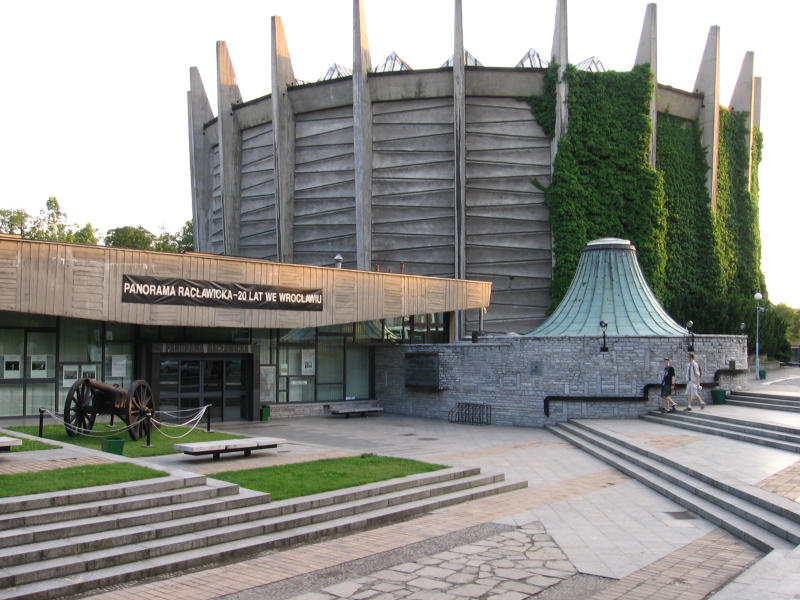
Panorama of the Battle of Racławice
This monumental 19th-century cyclorama, measuring 15×114 meters, commemorates the Battle of Racławice during the Kościuszko Uprising of 1794. Created by Jan Styka and Wojciech Kossak, it was originally displayed in Lviv and later brought to Wrocław after World War II, where it became a national treasure. The painting’s immersive design uses perspective, lighting, and three-dimensional foreground elements to make visitors feel as if they stand amid the battle itself. It is a rare surviving example of a once-popular European art form.
 © Lower Silesia (CC BY-4.0)
Wrocław Zoo & Afrykarium
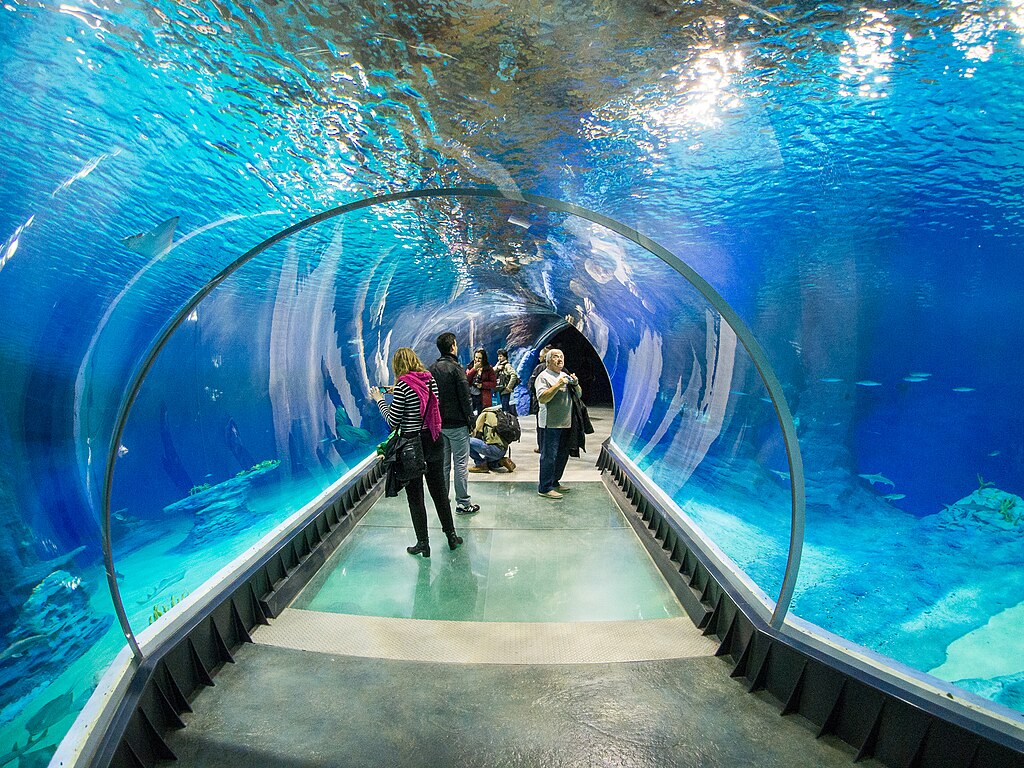
Established in 1865 during Prussian rule, the zoo is one of Europe’s oldest, reflecting the scientific ambitions of the 19th century. Today, it houses more than 10,000 animals and is Poland’s most visited zoo. Its flagship attraction, the Afrykarium, is a one-of-a-kind oceanarium dedicated exclusively to African aquatic ecosystems — home to sharks, rays, hippos, manatees, crocodiles, and rare fish species. Its immersive tunnels and multisensory displays make it both educational and visually impressive.
 © Jan Mehlich (CC BY-SA-3.0)
Wrocław Dwarfs
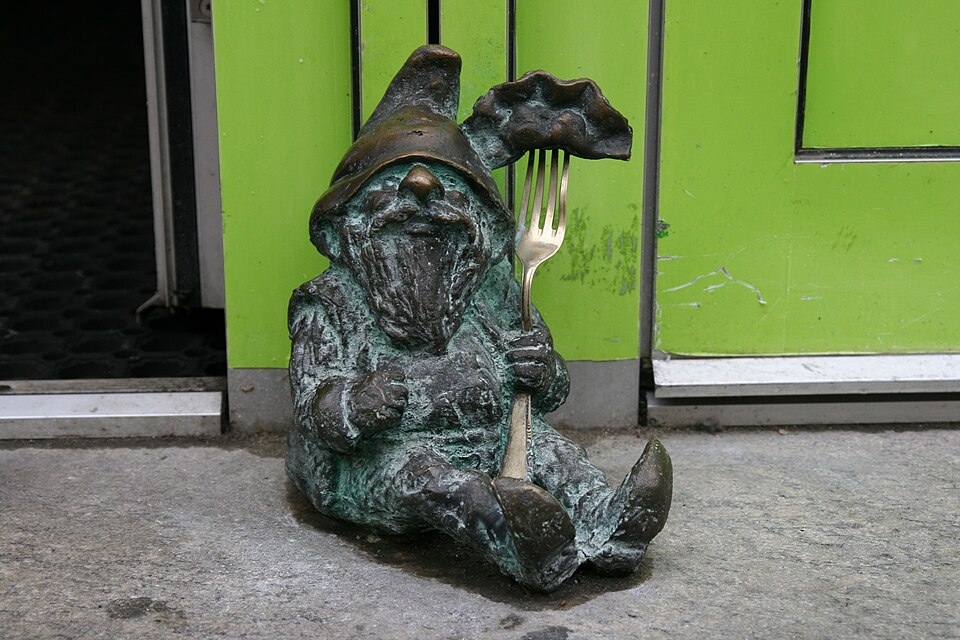
More than 1170 bronze dwarf sculptures populate the streets, squares, and corners of Wrocław. These whimsical figures originated as a humorous symbol of the anti-communist Orange Alternative movement in the 1980s, which used satire and absurdity as a form of peaceful protest. Over the years, the dwarves evolved into a beloved civic emblem, each one crafted to represent different professions, historical events, or local stories. Searching for them is both a playful adventure and an excellent way to explore the city’s diverse neighbourhoods and hidden gems.
 © Marek Śliwecki (CC BY-SA-3.0)
National Museum in Wrocław
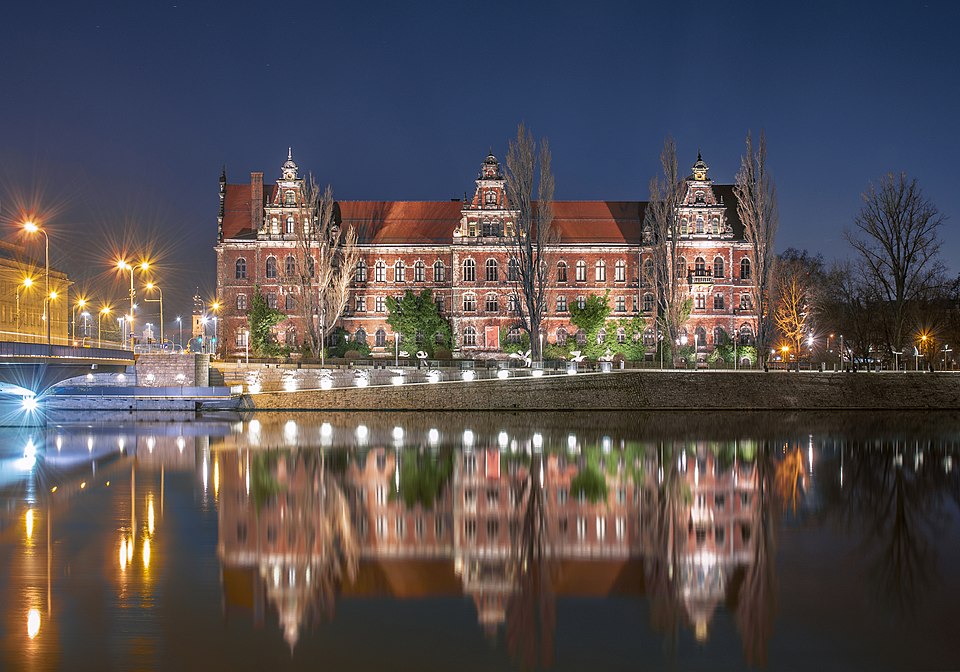
The National Museum, housed in a stately Neo-Renaissance building covered in ivy, presents an extensive collection of medieval art, Silesian heritage, and modern works. Its location along the Odra River adds special charm. Rotating exhibitions ensure that each visit offers something new, from Gothic sculpture to avant-garde pieces.
 © Oyoyoy (CC BY-SA-4.0)
Botanical garden of the University of Wrocław
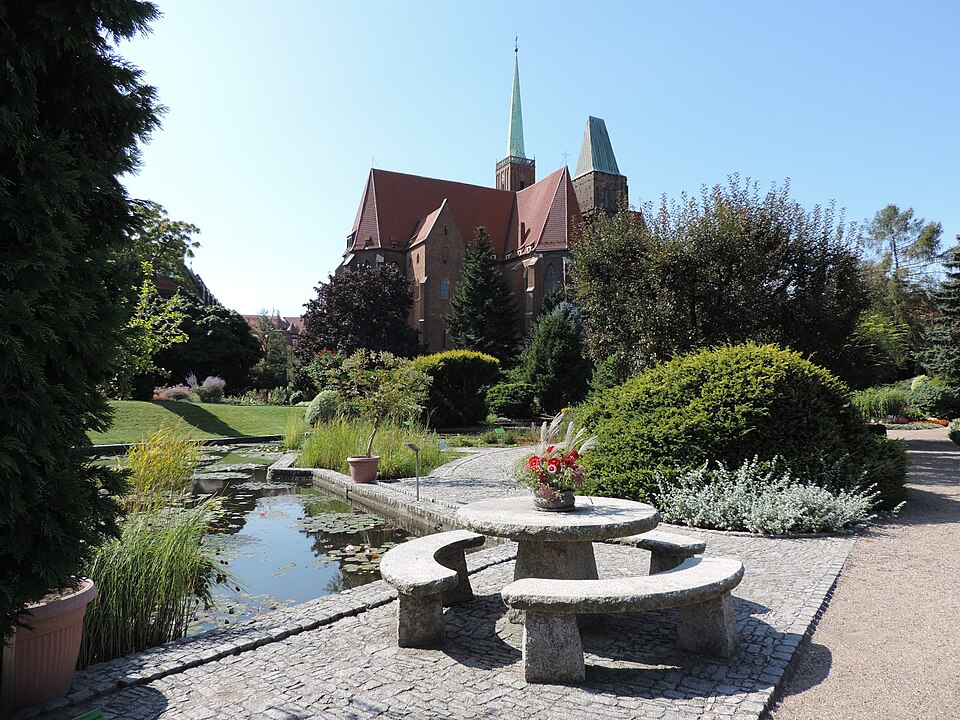
Founded in 1811, the Botanical Garden is the second-oldest in Poland and a peaceful sanctuary of biodiversity. It features ponds, thematic plant collections, rock gardens, and historical greenhouses. Scientists, nature lovers, and visitors seeking calm will appreciate its serene atmosphere. Its central location near Ostrów Tumski makes it easy to pair with historic sightseeing.
 © Dmitry Ratz (CC BY-SA-4.0)
Szczytnicki park & Japanese garden
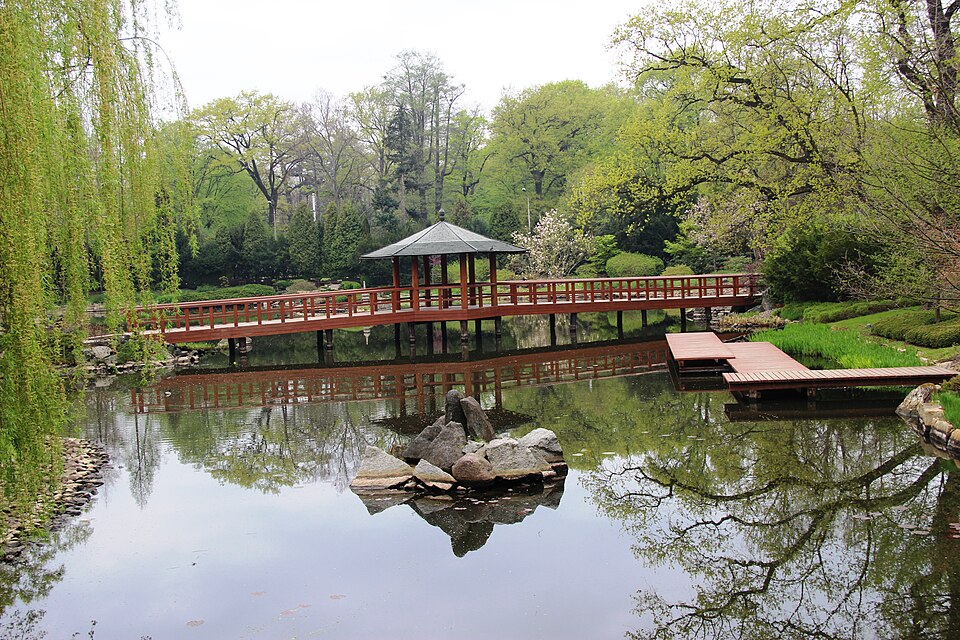
Szczytnicki Park, one of Wrocław’s oldest and largest green spaces, features quiet forest pathways, lakes, and open meadows. Within it lies the Japanese Garden, originally created for the 1913 World Exhibition and rebuilt in cooperation with Japanese experts after the 1997 flood. Its bridges, waterfalls, and carefully arranged plants create a harmonious, meditative environment perfect for relaxation.
 © Jacek Halicki (CC BY-SA-4.0)
Hydropolis – Center for water knowledge
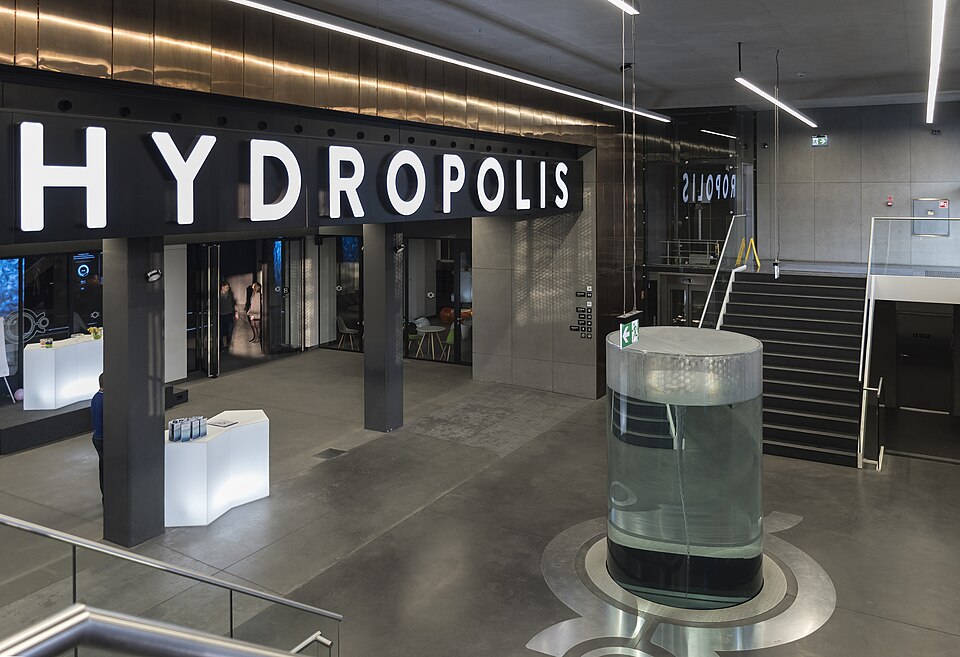
Hydropolis is an advanced science center focused entirely on water’s role in nature, civilisation, and technology. Using interactive displays, immersive projections, and detailed models, it explains oceanography, hydrology, biology, and engineering in an accessible and visually captivating way. It is especially engaging for scientists and families.